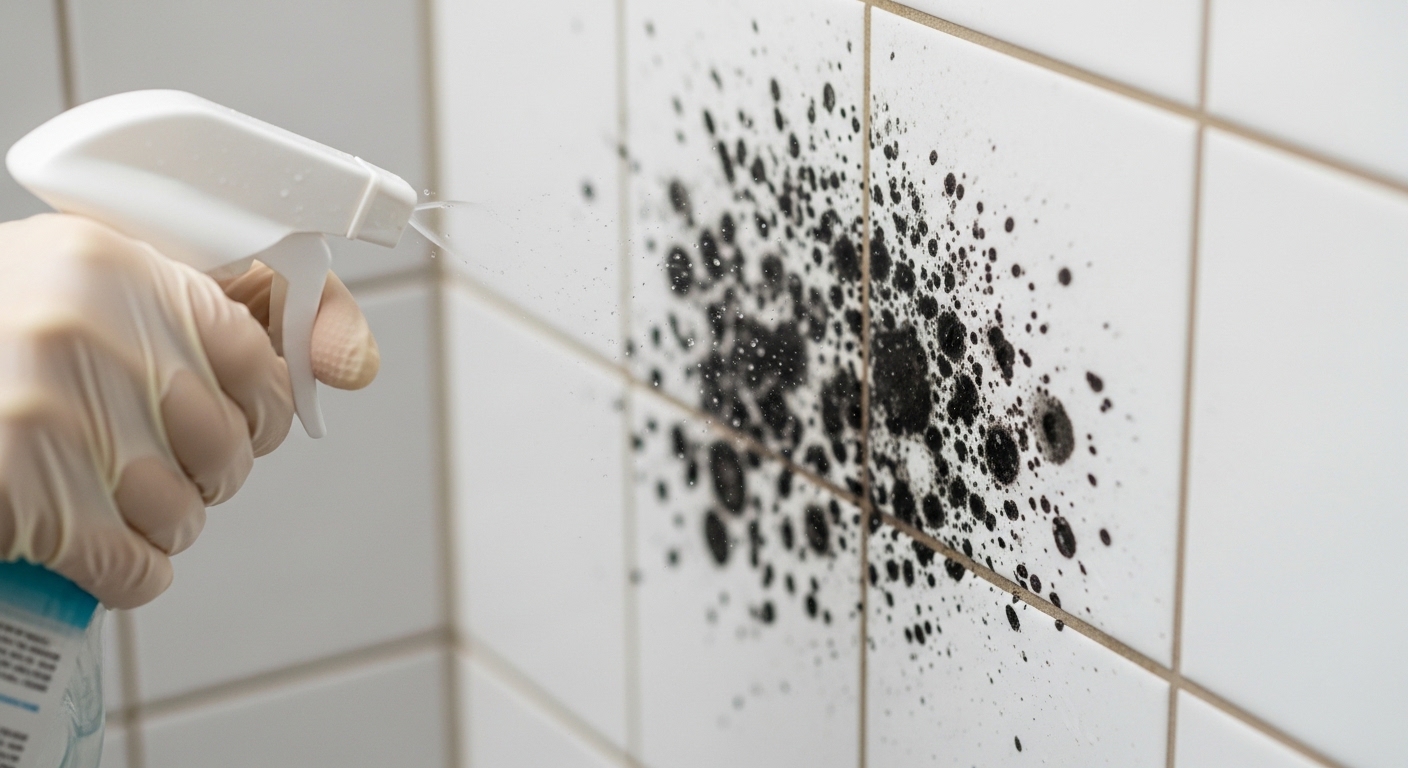
Mold is stressful because it feels urgent—you want it gone fast, but you also don’t want to gas your bathroom or damage your surfaces. Bleach and hydrogen peroxide can both help, but they behave very differently. One can look like it “worked” while leaving roots behind, and the other can work more consistently on porous spots—if you use it the right way.
Disclosure: Some links may be affiliate links. As an Amazon Associate I earn from qualifying purchases.
Quick Answer (If You’re in a Hurry)
- Fastest visible whitening on non-porous surfaces: Bleach
- Often better on porous materials (like grout, caulk, drywall): Hydrogen peroxide
- Safer-feeling for indoor use (less harsh fumes): usually hydrogen peroxide
- Never mix: bleach with ammonia, vinegar, acids, or many bathroom cleaners (can create toxic gas)
(Always follow product labels and local safety guidance.)
Mold 101: Killing Mold vs Removing Stains
This is the part people miss:
- Killing mold means stopping growth (spores and colonies).
- Removing stains means getting rid of the black/brown discoloration.
Bleach is excellent at removing stains on hard surfaces, but it can be less effective at fully penetrating porous materials where mold “roots” can live. Hydrogen peroxide often penetrates more and can do a better job on porous or semi-porous areas.
Bleach for Mold: Pros, Cons, and Best Uses
What bleach does best
Bleach (sodium hypochlorite) is strong and works quickly on:
- Non-porous surfaces: tile, glazed porcelain, glass, sealed surfaces
- Visible surface mold and stains
- Areas where you can rinse thoroughly
Pros
- Fast visible results (often looks “clean” quickly)
- Strong disinfecting action on hard surfaces
- Common and easy to find
Cons
- Strong fumes (especially in bathrooms)
- Can irritate lungs/eyes/skin
- Can discolor fabrics and damage some finishes
- On porous surfaces, it may whiten the stain while mold underneath survives
Best places to use bleach
✅ Shower tile (glazed)
✅ Bathtub surfaces (non-porous)
✅ Glass doors
✅ Sink basins
✅ Plastic shower accessories
Avoid bleach on
⚠️ Natural stone (can etch/discolor)
⚠️ Unsealed grout (may not fully penetrate)
⚠️ Drywall/wood (porous—can worsen moisture issues)
⚠️ Colored caulk/fabrics
Hydrogen Peroxide for Mold: Pros, Cons, and Best Uses
What hydrogen peroxide does best
Hydrogen peroxide (commonly 3% household) is often better for:
- Porous and semi-porous surfaces
- Mold that keeps coming back in grout lines or caulk
- Situations where you want less harsh odor
Pros
- Less harsh smell than bleach (usually easier indoors)
- Can penetrate better into porous areas
- Good for spot treatment and regular maintenance
Cons
- Can take longer to show dramatic “whitening”
- May require repeated applications for heavy staining
- Can lighten some fabrics or finishes if left too long
Best places to use hydrogen peroxide
✅ Grout lines
✅ Shower caulk (spot test first)
✅ Bathroom ceilings with mild mildew
✅ Porous areas where bleach is less effective
✅ Areas where you need low-odor cleaning
Avoid peroxide on
⚠️ Some delicate natural stone or specialty finishes (spot test)
⚠️ Surfaces where discoloration is a concern without testing first
Which Works Faster?
For instant “looks clean” results: Bleach
Bleach often wins on speed for visible stains on hard surfaces.
For actually stopping recurring mold in porous spots: Hydrogen peroxide often wins
Peroxide may take longer, but it can be more effective for the places mold hides—especially grout and caulk that keep turning black again.
Which Is Safer?
In everyday home use (especially small bathrooms):
Hydrogen peroxide usually feels safer because:
- Less harsh fumes
- Less respiratory irritation for many people
- Easier to use without needing intense ventilation
That said, “safer” depends on how you use it:
- Concentration
- Ventilation
- Gloves/eye protection
- Surface compatibility
What NOT to Mix (Important)
This is where people get into trouble.
Never mix bleach with:
- Ammonia (creates toxic chloramine gas)
- Vinegar or other acids (can create chlorine gas)
- Many bathroom cleaners (especially “toilet bowl cleaners,” descalers, rust removers)
- Rubbing alcohol (can create dangerous byproducts)
Also don’t mix peroxide with:
- Vinegar in the same bottle or at the same time
(they can form peracetic acid, which is irritating and unsafe to inhale)
Rule of thumb: If you’re switching products, rinse with water and let the area ventilate/dry before using the next one.
Best Practices: How to Use Each (Without Suffering)
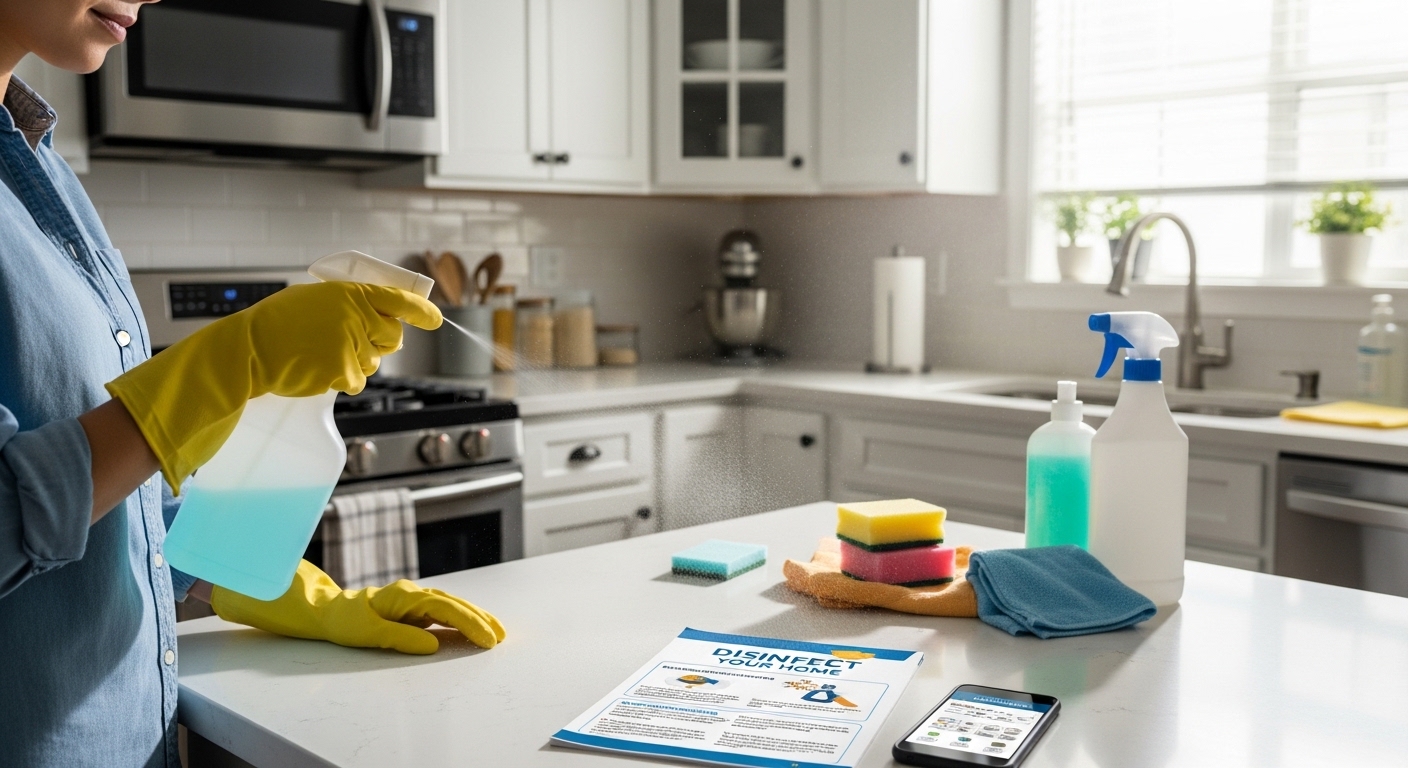
Using bleach (hard surfaces)
- Ventilate (fan + door open).
- Apply carefully (don’t fog the whole bathroom).
- Let it sit briefly (follow label).
- Scrub if needed.
- Rinse thoroughly.
- Dry the area.
Using hydrogen peroxide (grout/caulk)
- Spray or apply directly to the affected area.
- Let it dwell (this is key).
- Scrub with a small brush.
- Wipe/rinse.
- Repeat if needed for deep staining.
- Dry the area fully to prevent return.
The Best Choice for Most Bathrooms (My Practical Recommendation)
- Tile walls + tub surfaces (non-porous): bleach works fast and well, but ventilate.
- Grout lines + recurring mildew: hydrogen peroxide is often the better first choice.
- If you’re sensitive to fumes or cleaning around kids/pets: start with hydrogen peroxide and good ventilation.
FAQ
Does bleach kill mold completely?
It can kill surface mold on non-porous surfaces, but on porous materials it may not penetrate enough to eliminate deeper growth.
Why does mold come back after bleach?
Because bleach can remove stains while leaving moisture behind, and mold can regrow if the underlying area remains damp or porous.
What’s the #1 prevention tip?
Dry the shower after use and run the bathroom fan longer. Mold is a moisture problem first.