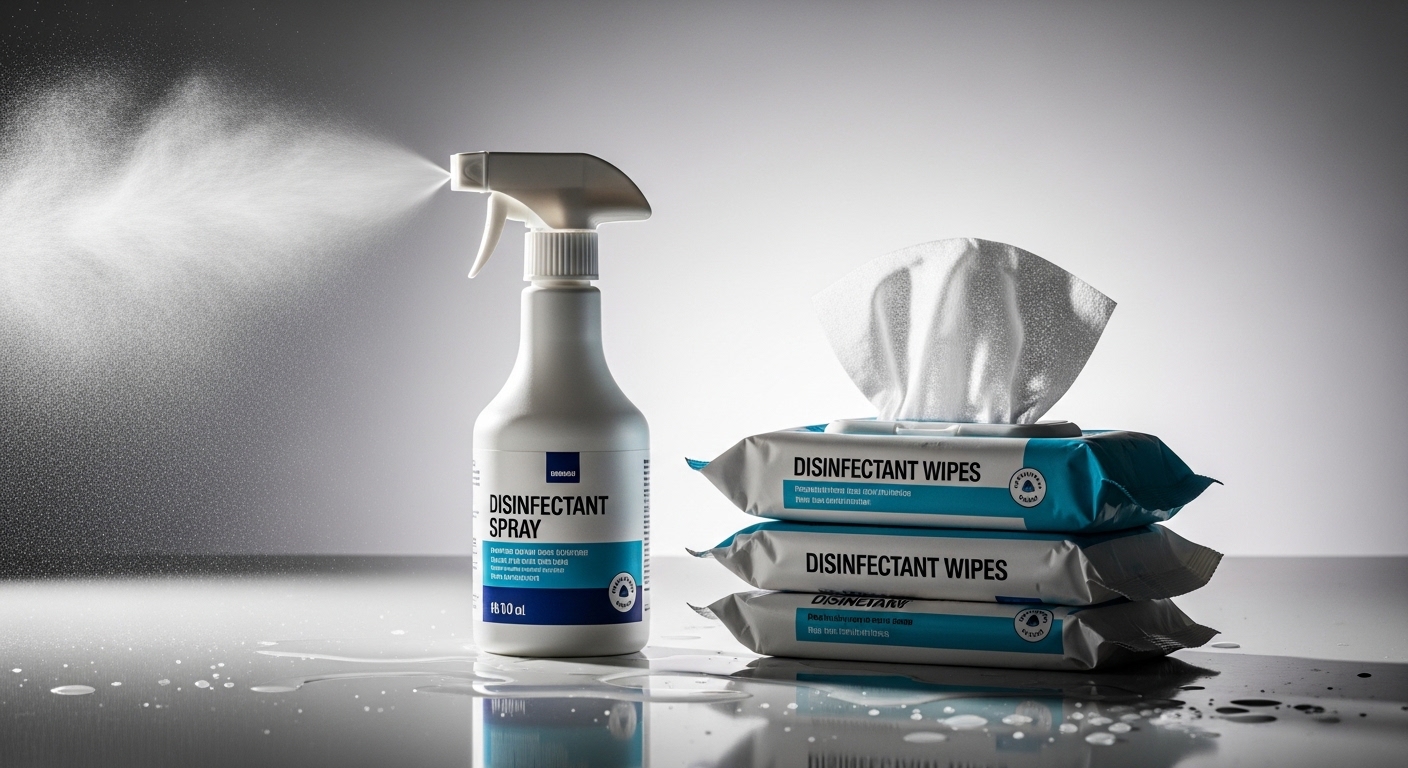
High-touch areas—doorknobs, light switches, fridge handles, remotes—get re-contaminated constantly. The question isn’t “spray or wipes?” It’s: which one actually disinfects more reliably in real life, and which one makes more sense for your budget and routine.
Disclosure: Some links may be affiliate links. As an Amazon Associate I earn from qualifying purchases.
Quick Verdict
- Most effective overall (when used correctly): Disinfecting spray
(better surface coverage + easier to keep the surface wet for the required contact time) - Most convenient for daily use: Disinfecting wipes
(fast, portable, no extra cloths) - Usually saves more money long-term: Disinfecting spray
(especially for bigger areas and frequent use) - Best real-world setup: wipes for quick touch-ups + spray for weekly “true disinfect” resets
(Always follow the product label for surfaces and contact time.)
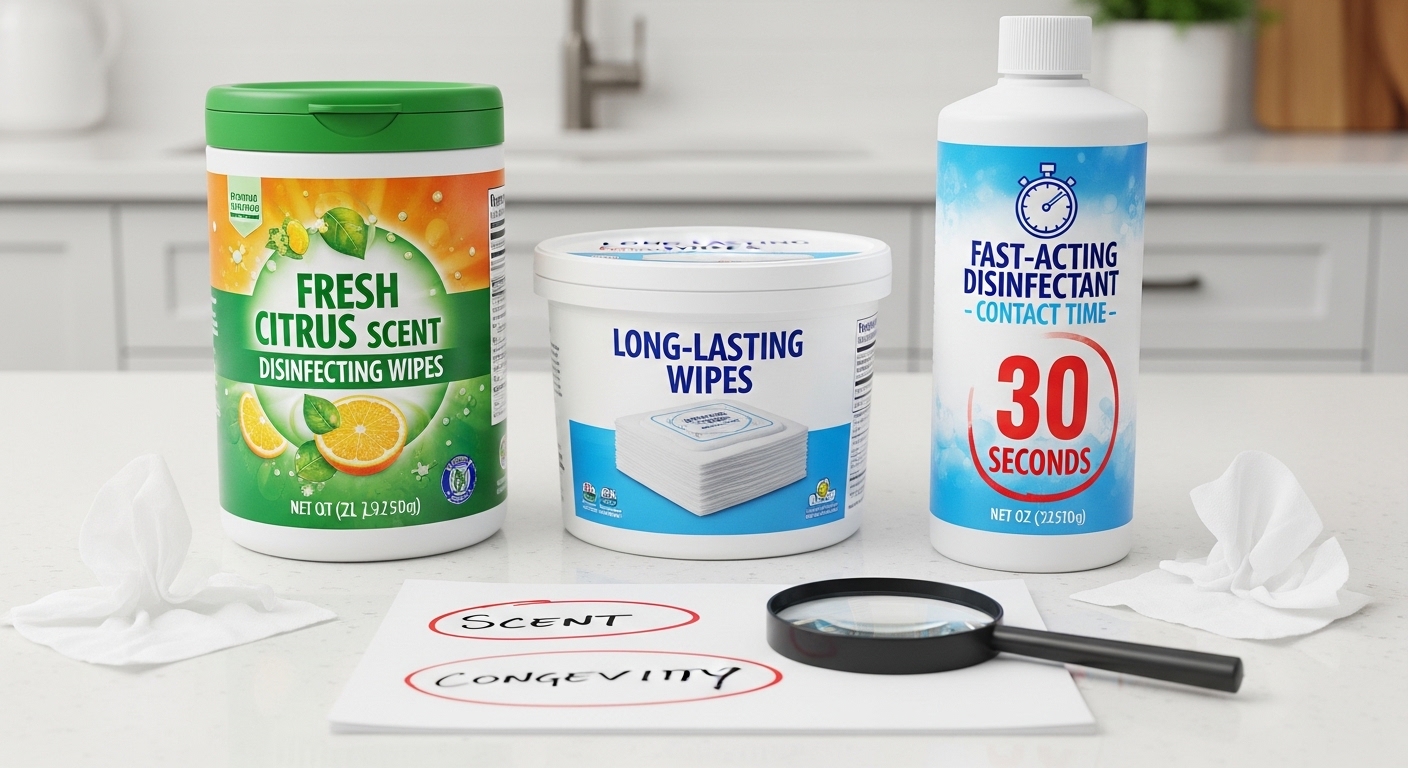
What “Effective” Actually Means: Contact Time
Disinfecting doesn’t happen the second you wipe. Most products require the surface to stay visibly wet for a set amount of time (often longer than people expect).
Why spray often wins in real homes
Spray makes it easier to:
- wet the entire surface evenly
- re-wet if it dries too fast
- hit textured surfaces and crevices
Why wipes sometimes fail
Wipes often:
- dry out mid-wipe
- get used on too large an area
- don’t leave enough liquid behind to meet contact time
Effectiveness for High-Touch Areas (Real-World)
1) Doorknobs, handles, light switches
Winner: Wipes (for convenience), Spray (for best disinfection)
- If you’re doing quick daily wipes, wipes are easiest.
- If you want the most reliable disinfection, spray + proper dwell time is stronger.
Best method: wipe off visible grime first, then spray and let it sit (or use multiple wipes until wet time is met).
2) Phones, remotes, keyboards (electronics-adjacent)
Winner: Wipes
Sprays can oversaturate and seep into openings. Wipes let you control moisture and avoid dripping.
Tip: use a lightly damp disinfecting wipe, not a soaked one. Avoid ports, seams, and speaker holes.
3) Kitchen counters and food-contact surfaces
Winner: Spray
Counters are large. Spray gives better coverage and is usually cheaper per cleaning session.
Tip: after the label contact time, wipe with a clean damp cloth if the label recommends it—especially before food prep.
4) Bathroom sinks, toilet exterior, faucet handles
Winner: Spray
Bathrooms often need more coverage and more wet time. Spray makes it easier to keep the surface wet long enough.
Tip: spray, let dwell, then wipe. If the surface is dirty, pre-clean first or you’re just disinfecting the dirt.
Cleaning Power vs Disinfecting Power
A key point: disinfectants work best on clean surfaces.
- Wipes are often used as “clean + disinfect in one step,” but that only works if the surface isn’t very dirty.
- Sprays make it easier to do a true two-step:
- wipe off grime
- spray to disinfect and leave wet
If there’s visible grease, sticky residue, or bathroom film, spray wins because it can soak and dwell.
Which Saves Money?
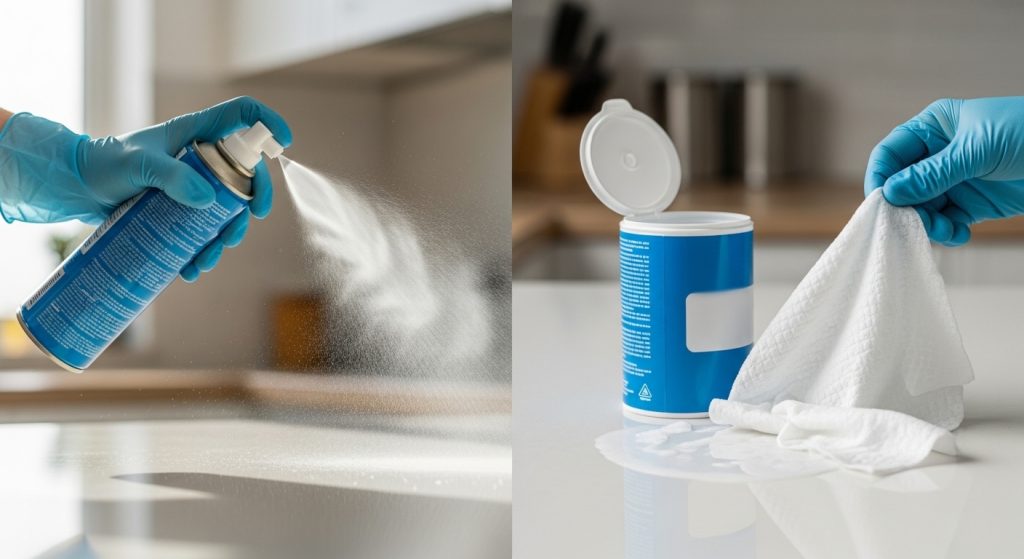
Spray is usually cheaper for:
- large surfaces (counters, tables)
- frequent disinfecting routines
- households that disinfect multiple rooms weekly
Because you’re not using multiple wipes per surface.
Wipes can be cheaper for:
- quick single-spot cleanups (one doorknob, one remote)
- travel, car, office bag use
- people who disinfect rarely and want zero extra steps
But if you’re wiping a whole kitchen with wipes, cost adds up fast.
Rule of thumb:
- If you use more than 2–3 wipes per cleaning session, spray usually wins on cost.
Residue, Streaks, and Smell
Wipes
Pros: easy, controlled, less dripping
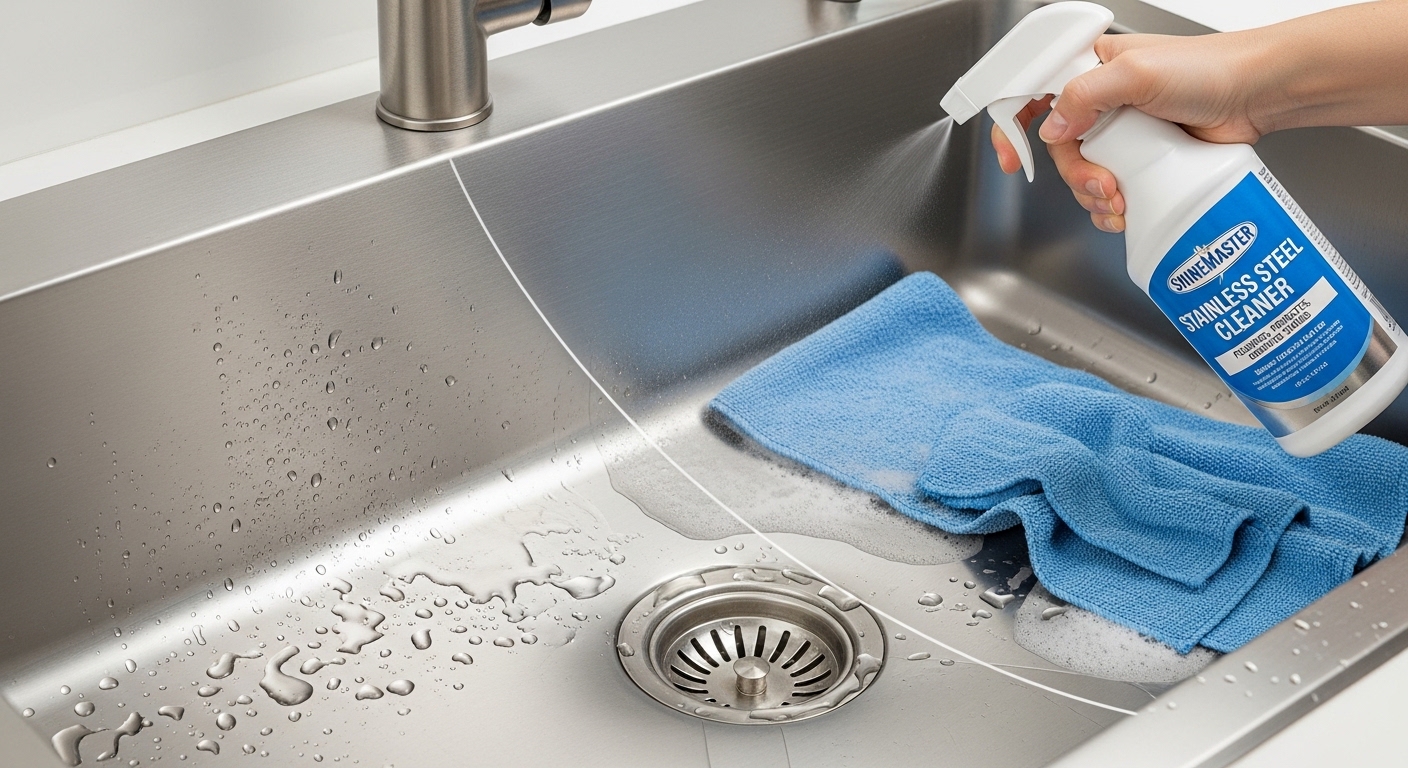
Cons: can leave film if used heavily or on glossy surfaces; can streak on stainless
Spray
Pros: good coverage, better wet time
Cons: can feel “chemical” if overused; requires cloth/paper towel; can overspray
Pro tip to reduce residue: don’t over-apply, and buff shiny surfaces dry after the contact time.
Time and Convenience
Fastest in the moment: Wipes
Grab, wipe, toss. Perfect for daily “high-touch rounds.”
Fastest for whole-home cleaning: Spray
If you’re doing multiple surfaces, spray is faster overall because you’re not running through wipe after wipe.
Best Choice by Household Type
Choose WIPES if you:
- want the easiest daily routine
- need something for electronics
- disinfect small areas frequently
- prefer a no-mess solution
Choose SPRAY if you:
- disinfect kitchens/bathrooms often
- need better coverage and dwell time
- want the best value for larger jobs
- want more consistent results on sticky or grimy surfaces
The Best “Optimized” Routine (What Actually Works)
If you want the best balance of effectiveness + cost:
Daily (2–3 minutes)
- Use wipes on: doorknobs, switches, remotes, fridge handle
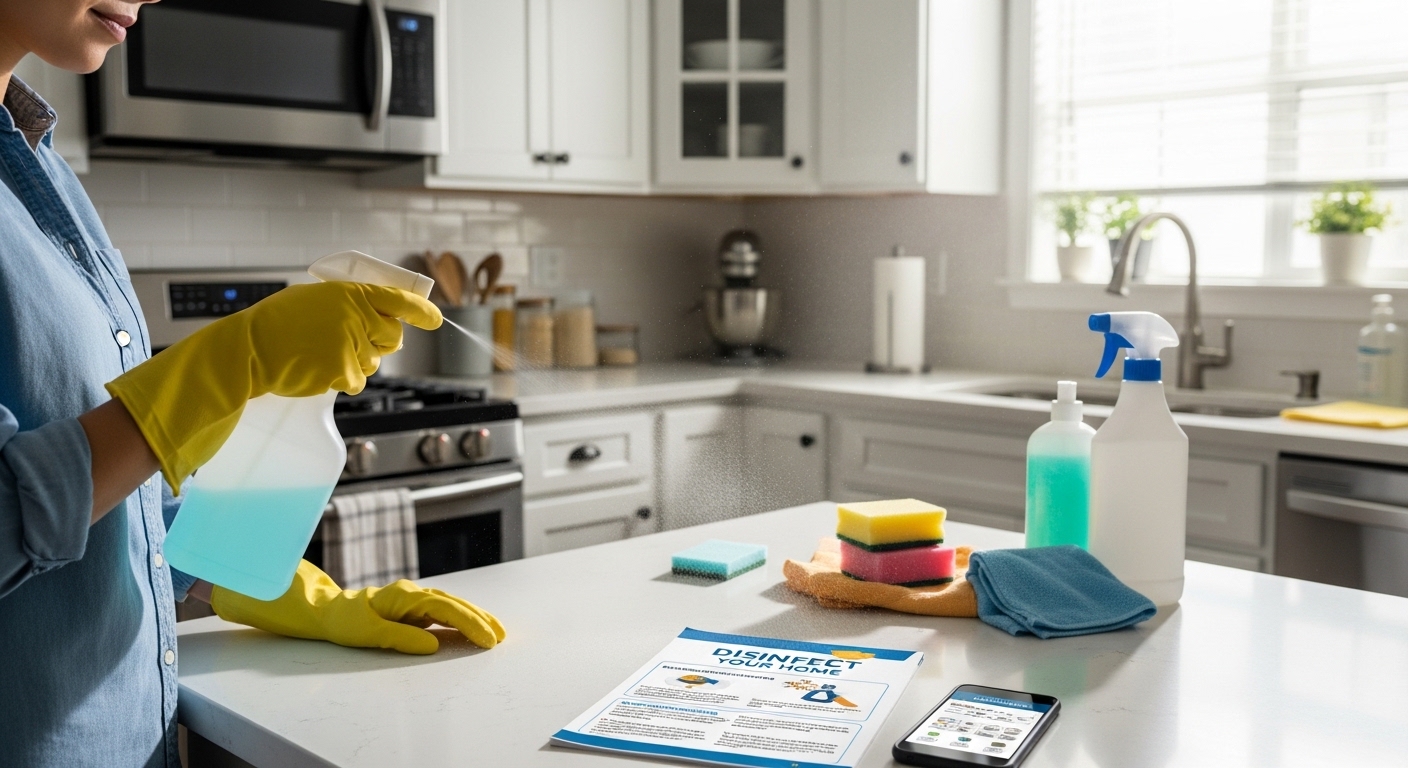
Weekly (10–15 minutes)
- Use spray on: counters, bathroom surfaces, trash can lid, high-touch zones
- Let sit for contact time, then wipe dry
This keeps you consistent without wasting wipes or skipping proper dwell time.
FAQ
Can wipes disinfect as well as spray?
Yes—if you keep the surface wet for the full contact time and the surface isn’t heavily dirty. In real life, people often under-wet the surface, so results can be less reliable.
Can I use disinfecting spray and then wipe immediately?
If you wipe too soon, you may not meet contact time. Let it stay wet as directed on the label.
Which is safer around kids and pets?
Both can be used safely if you follow label directions, ventilate, and store products out of reach. For everyday use, many families prefer lower-odor options and avoid over-spraying in small rooms.